





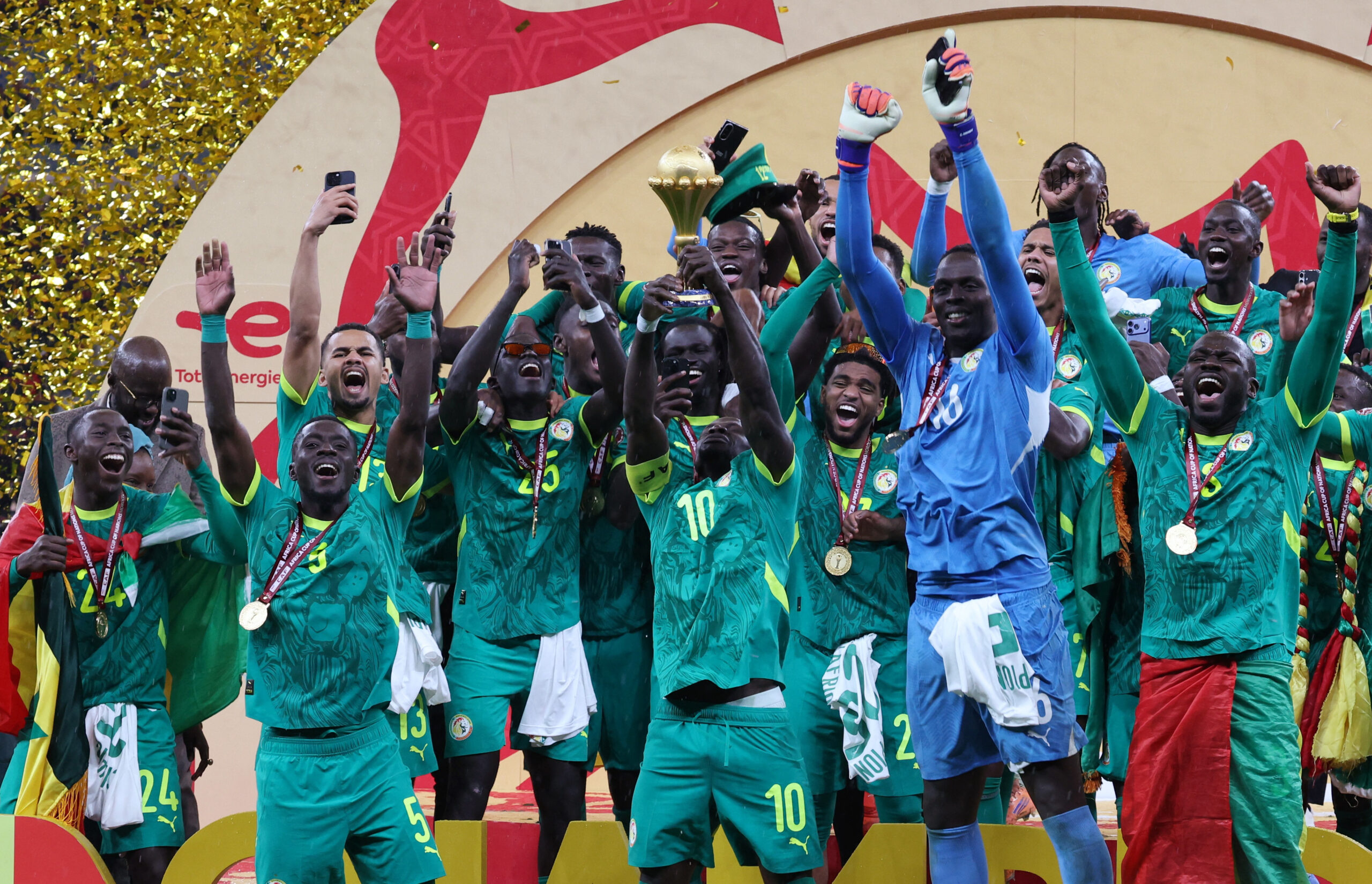
Fifty-seven days after Senegal celebrated African glory, the script has been torn apart. In a stunning reversal, Morocco have been awarded the 2025 Africa Cup of Nations title, not on the pitch, but in the boardroom. What was once a hard-fought 1-0 victory for Senegal is now officially recorded as a 3-0 forfeiture.
The decision by the Confederation of African Football has sent shockwaves across the continent. Senegal’s players, who lifted the trophy in Rabat, now face the prospect of losing it entirely. Morocco, beaten on the night, are suddenly champions again for the first time since 1976.
At the heart of the controversy lies a chaotic final that never truly settled. Late in the game, Morocco were awarded a penalty after Senegal had seen a potential winner ruled out. Furious at the decision, Senegal’s players walked off the pitch for more than 15 minutes in protest.
That moment changed everything. CAF’s appeal board ruled that the walk-off breached tournament rules, specifically Article 82, which forbids leaving the field without the referee’s approval. Under Article 84, the punishment is clear, a 3-0 defeat.
The irony is hard to ignore. When play resumed, Morocco missed the penalty through Brahim Diaz, and Senegal went on to win through Pape Gueye in extra time. It was a triumph forged in tension, now erased by regulation.
This was a final that spiralled beyond control. Even FIFA president Gianni Infantino called the walk-off “unacceptable,” stressing that teams must respect decisions on the pitch.
Senegal have not accepted the ruling quietly. “We will not back down. The law is on our side,” said Abdoulaye Seydou Sow. He went further, calling the verdict “a shame for Africa” and “a travesty that rests on no legal basis.”
The players echoed that disbelief. “Come and get them (the medals). They are crazy,” posted Moussa Niakhate. El Hadji Malick Diouf added, “It’s not what I expected, this thing isn’t going anywhere.”
Morocco, however, have stood firm. Their federation insisted the appeal was never about performance, only about enforcing rules. “Its approach has never been intended to challenge the sporting performance,” their statement read, reinforcing a commitment to order and structure in African football.
Yet the wider context complicates the picture. Throughout the tournament, there were murmurs about refereeing decisions favouring the hosts. Senegal’s anger in the final did not emerge in isolation, it was the boiling point of weeks of frustration.
The atmosphere in Rabat that night told its own story. Fans clashed in the stands, security struggled to cope, and tensions spilled far beyond the pitch. In the weeks that followed, protests erupted in Dakar, while arrests and legal battles deepened the divide between two nations that once called each other friends.
Now, the saga moves to the Court of Arbitration for Sport, where Senegal will seek justice. But even if the decision is overturned, the damage is done.
This was meant to be a celebration of African football. Instead, it has become a case study in how quickly triumph can turn into turmoil.