




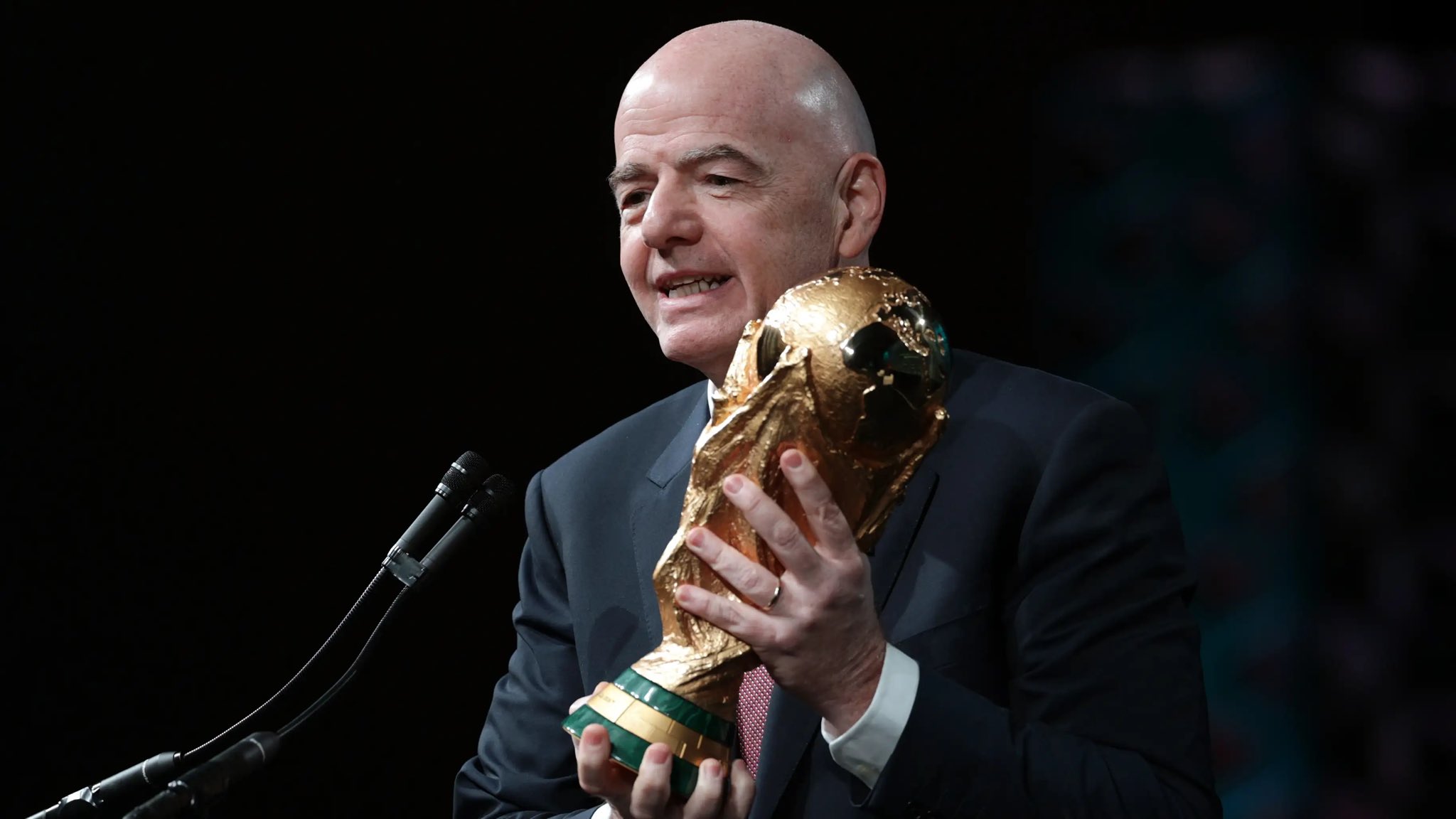
Gianni Infantino has abandoned his controversial plan to sell a stake in FIFA’s biggest competitions after a wave of opposition swept across world football. What began as an ambitious financial project quickly became one of the biggest governance crises of his presidency, forcing a dramatic U-turn that has left his leadership under fresh scrutiny.
The proposal aimed to place FIFA’s commercial operations, including the men’s and women’s World Cups and Club World Cups, into a new company backed by private investors. FIFA believed the plan would unlock billions of dollars in new funding for its 211 member associations, but critics feared football’s most treasured competitions were being treated as commercial assets rather than global sporting institutions.
The backlash was swift and united. UEFA’s 55 member nations threatened to boycott FIFA competitions if the proposal moved forward, declaring that “some things are simply too important to sell.” Concacaf and the Asian Football Confederation soon joined the resistance, making it almost impossible for Infantino to secure the votes needed to push the proposal through.
Facing mounting pressure, Infantino admitted defeat. “Having listened carefully to all the views, it has become clear that the project has created divisions,” he said. “As a result, this proposal will not proceed.”
The crisis was not driven only by football’s governing bodies. It also exposed deep cracks inside FIFA itself. Senior adviser Carlos Cordeiro resigned, describing the proposal as “a bad deal for football” that would “mortgage football’s future.”
FIFA chief operating officer Kevin Lamour then delivered perhaps the strongest criticism yet. “It is the project of one person,” he said, adding that football leaders must now “ask themselves the right questions and make the right decisions.” His comments suggested many within FIFA felt excluded from a process that should have involved wider consultation.
The proposal centred on creating FIFA Forward Enterprises, with American venture capital firm Thrive, founded by Joshua Kushner, expected to lead an investor group. FIFA argued that member associations supporting the plan could receive greater financial distributions, but many feared the long-term cost would outweigh any short-term gain.
The speed of the collapse was remarkable. FIFA initially insisted “nobody is selling football” and vowed to continue discussions. Within hours, growing resistance and internal dissent left Infantino with little room to manoeuvre.
The immediate crisis may be over, but the political damage could last much longer. Infantino had appeared certain to secure another term as FIFA president, yet this episode has weakened that position. With nominations for the next presidential election due in November, rivals may now sense an opportunity to challenge a leader whose authority no longer looks untouchable.
For many across football, the outcome was about more than money. It was a reminder that while the sport continues to evolve as a business, its biggest competitions remain symbols of identity, history and shared passion that many believe should never be put up for sale.