


The journey to African football’s next generation showcase takes a decisive step in Cairo. CAF has confirmed the draw procedures for the 2026 U-17 Africa Cup of Nations, where 16 of the continent’s brightest young talents will discover their fate. For many, this is where dreams begin, and pressure starts early.
Sixteen teams will be split into four groups, each packed with ambition and raw potential. The top two sides from each group will move forward, but more importantly, they will secure a place at the FIFA U-17 World Cup.
This format raises the stakes from the very start. Even third-place teams still have hope through play-offs, which will decide the final two World Cup spots. It means every match matters, and no team can afford a slow start.
Morocco, the hosts and defending champions, carry both expectation and advantage. They are placed directly into Group A. Mali, runners-up from the last edition, will anchor Group C.
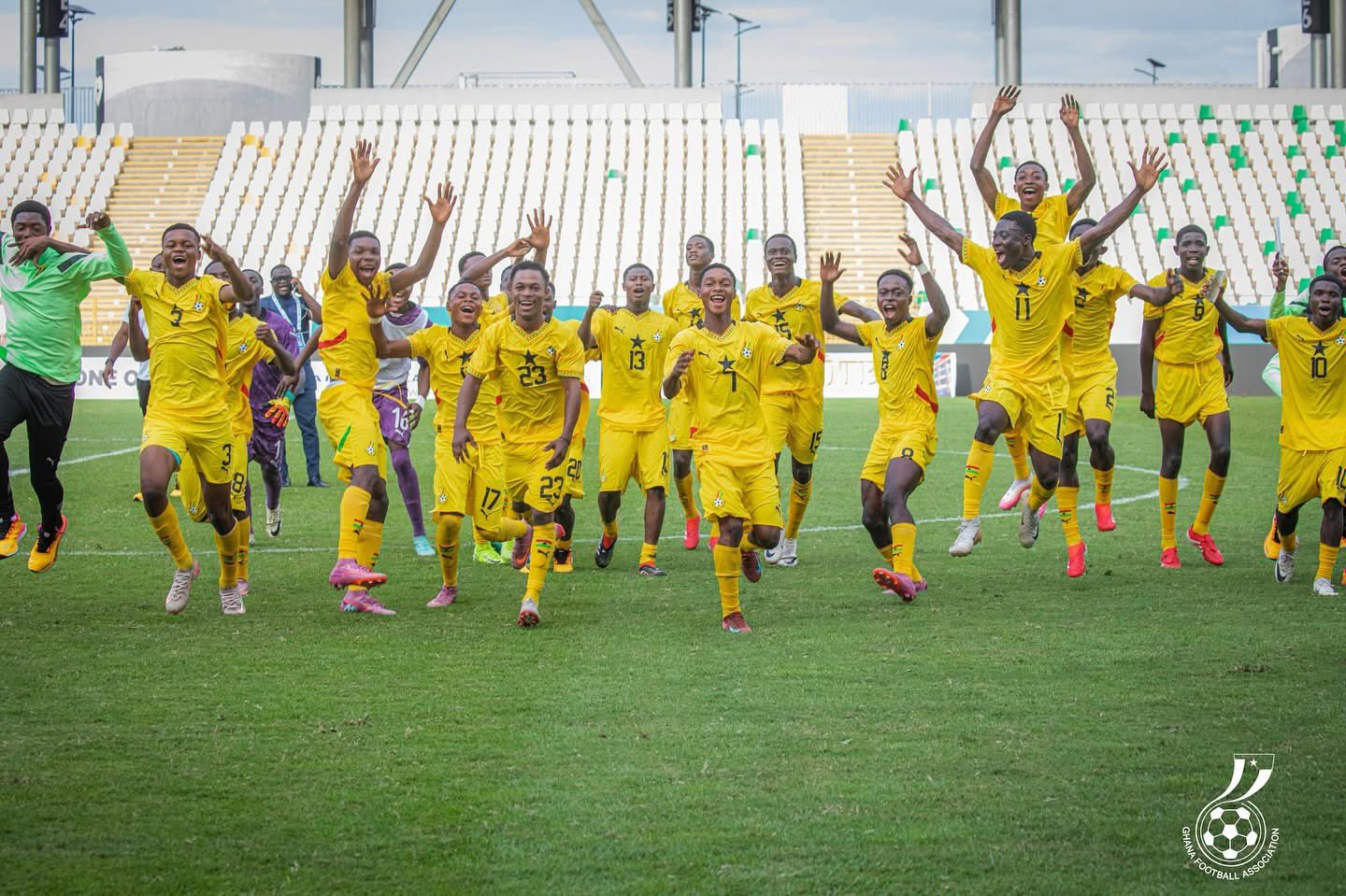
Heavyweights like Senegal, Côte d’Ivoire, and Ghana return with pedigree, while emerging nations such as Tanzania, Uganda, and Ethiopia look to make their mark. Each region has sent its best, creating a tournament rich in styles and stories.
Seeding is based on performances across the last three editions, giving more weight to recent success. This ensures that form, not just history, shapes the competition. It also creates intriguing group possibilities, where traditional powers could clash early with rising sides.
Teams will be picked from four pots, filling positions step by step across Groups A to D. The final placements of Senegal and Côte d’Ivoire into key slots will complete the puzzle, and likely define early tournament narratives.
For these young players, this is more than a tournament. It is a gateway to global recognition, a chance to wear national colours on a bigger stage. Scouts will watch closely, and careers could change in a single moment.