





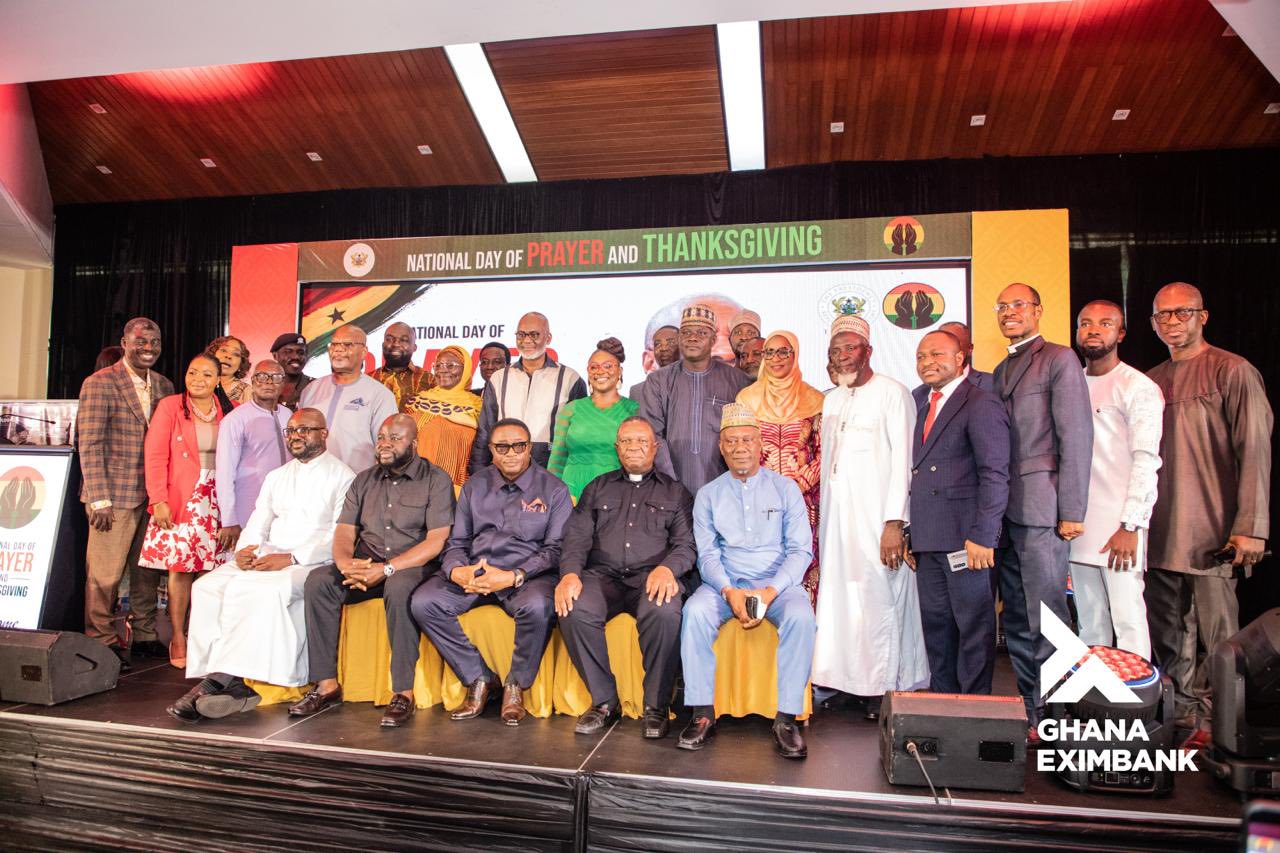
Ghana has formally inaugurated the 2026 National Day of Prayer and Thanksgiving, with both government representatives and religious leaders encouraging citizens to commit to moral renewal as a key driver of national progress.
At a media briefing held in Accra on Tuesday, June 2, the Presidential Envoy for Interfaith and Ecumenical Relations, Elvis Afriyie Ankrah, described the initiative as a nationwide platform meant to foster unity beyond political, ethnic, and religious differences.
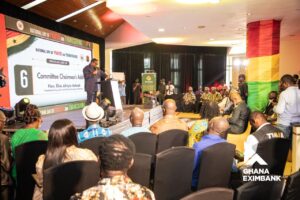
He explained that the observance is not merely ceremonial, but an opportunity for citizens to pause, reflect on the country’s journey, and appreciate what he referred to as God’s continued blessings, particularly Ghana’s peace and stability.
The programme, which was introduced in 2025 under President John Dramani Mahama, is scheduled for July and will be observed across all 16 regions. It is expected to bring together Christians, Muslims, traditional authorities, and other stakeholders in a shared national exercise of prayer and thanksgiving.
This year’s theme, “Resetting Our Values to Build the Ghana We Want,” highlights growing concerns about ethics, accountability, and civic responsibility in national life.
Mr. Ankrah emphasized that national transformation cannot be achieved through infrastructure development and economic policies alone, but must also be rooted in strong moral foundations and responsible citizenship.
He added that Ghana’s relative peace and unity should be preserved through collective effort and a renewed sense of national responsibility.
Representing the ecumenical community, Cyril Fayose expressed strong support for the initiative, describing gratitude to God as an essential national practice.
He noted that despite national challenges, Ghana continues to experience stability and progress, which he attributed to divine grace, while also calling attention to the need for moral and ethical renewal.
Religious leaders urged citizens to embrace values such as integrity, discipline, patriotism, and respect for human dignity, stressing that sustainable national development depends on both sound policies and individual behaviour.
Organisers say the 2026 observance will strengthen interfaith cooperation and promote unity, with nationwide participation expected both in-person and through media platforms.
They further called on civil society and the private sector to support the initiative, describing it as a shared national responsibility aimed at shaping the country’s future.