

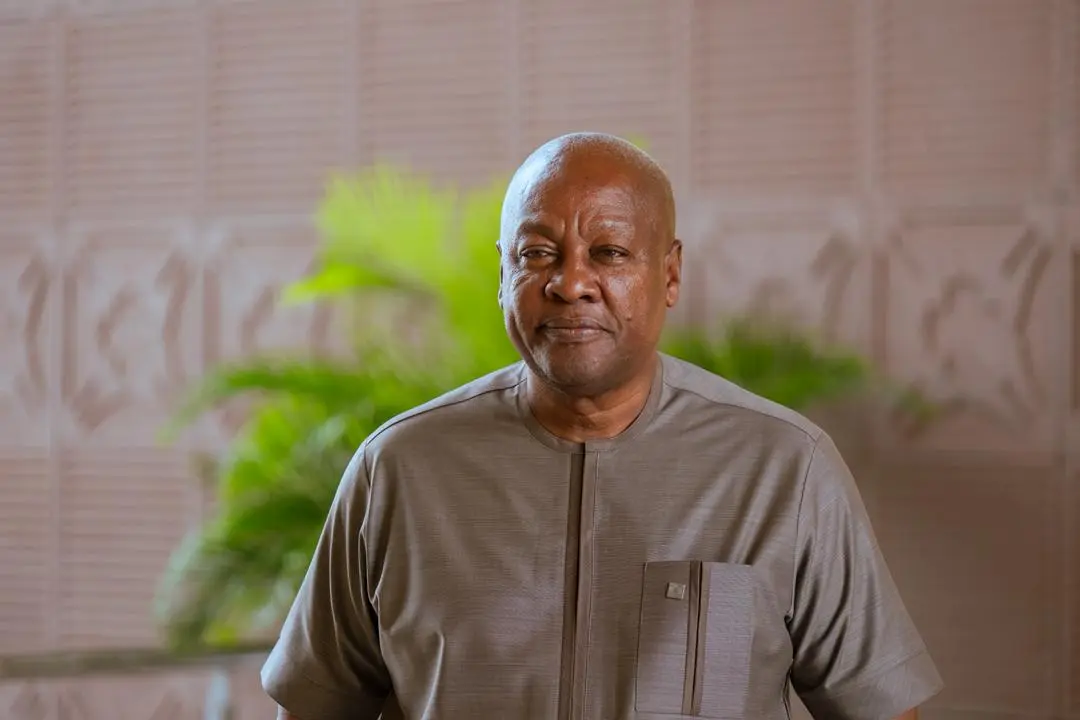
Ghana’s President, John Dramani Mahama, has chalked a significant diplomatic success following the adoption of a United Nations resolution on reparations linked to the transatlantic slave trade.
The resolution, presented under Ghana’s leadership at the United Nations General Assembly on March 25, 2026, secured the backing of 123 member states.
It calls for renewed international efforts toward reparative justice for African countries and descendants of enslaved people, encouraging nations to engage in meaningful dialogue and practical steps to address the lasting social, economic, and cultural consequences of slavery.
However, the decision was not unanimous. The United States, Argentina, and Israel voted against the motion, while 52 countries abstained after deliberations.

Explaining its position, the United States acknowledged the historical injustices of slavery but raised concerns about the clarity of beneficiaries under the proposed reparations framework.
Observers say the resolution marks a turning point in global conversations on the legacy of slavery, reflecting increasing momentum toward recognition, accountability, and restorative justice.