





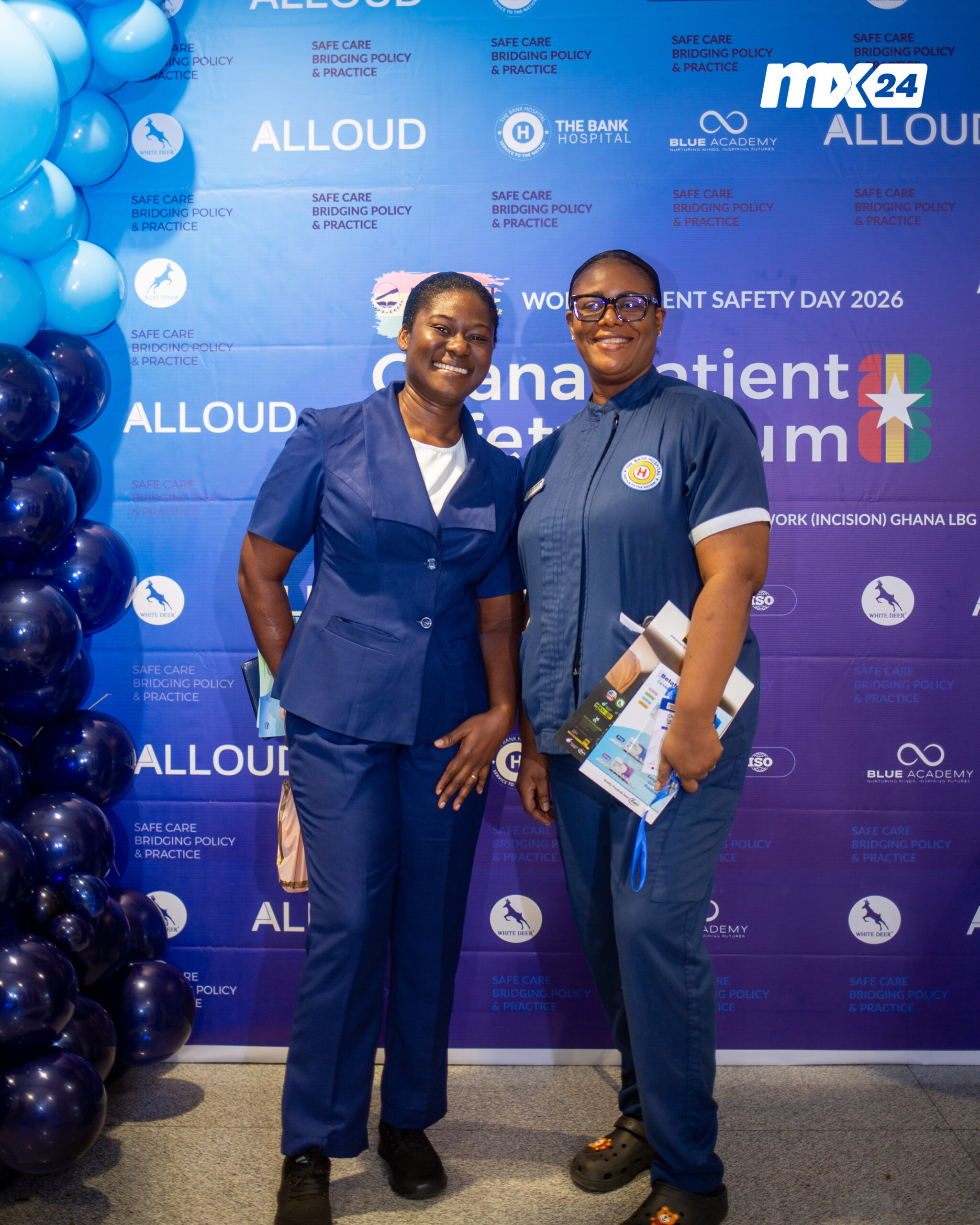
The maiden edition of the Ghana Patient Safety Forum has called for stronger patient safety systems, improved healthcare practices and measures to prevent avoidable harm in hospitals and health facilities across the country.
The forum, held at The Bank Hospital, brought together healthcare professionals and stakeholders to discuss practical ways of improving patient safety and the quality of care.
View this post on Instagram
Speakers at the event stressed the need for healthcare facilities to make patient safety a fixed agenda and strengthen systems that protect patients during treatment.
Speaking on the practical approach to patient safety, Dr. Melvin Tommy said patient safety is built on trust, care, safety and consistency. He urged healthcare providers to understand the problems within their facilities, improve data collection and focus on preventing harm rather than blaming individuals when incidents occur.
He noted that globally, one in ten patients suffer harm while receiving healthcare, with some of these incidents being preventable.
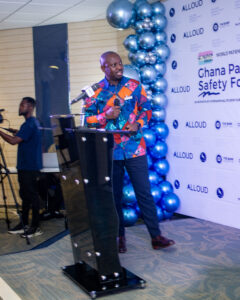
Mr. Tommy also called for continuous training, patient and healthcare worker engagement, and the measurement of issues that matter to patient safety.
He cited proper patient identification at The Bank Hospital as an important safety measure, explaining that wrongly identifying a patient could prevent the person from receiving the right treatment.
He further urged facilities to ensure that practitioners are properly regulated and registered, while equipment and safety measures are maintained. He called for patient safety policies to be incorporated into local health systems across Ghana.
Professor Aneel Bhangu, a global expert in surgery and patient safety, also called for systematic safety measures to reduce risks associated with surgery and improve patient outcomes. He stressed that even minor surgery can carry significant risks when proper safety measures are not followed.
View this post on Instagram
Prof. Bhangu advocated a national wound closure standard supported by local training and a national quality improvement programme. He also proposed a surgical training centre for West Africa to strengthen the skills of healthcare professionals and improve surgical outcomes across the region.
Drawing on the importance of well-maintained systems, Prof. Bhangu used an aircraft engine to explain the need for quality surgical care, stressing that just as an aircraft requires proper maintenance to operate safely, the human body needs good surgical care to function well. “If the engine of an aeroplane is not maintained well, the plane is not safe”, he said.
The discussions at the forum highlighted the need for practical action, reliable data and sustained commitment to patient safety to improve healthcare delivery across the country.
You can play back the full event below: